
Why Central Texas Weather Is So Hard on Siding
Your Walls Take the Same Beating as Your Roof
Around here the roof gets all the attention, and it should. It takes the hail, the sun, and the gusts that come off a summer thunderstorm. But the walls underneath catch most of that same weather, and almost nobody looks at them until something is obviously wrong. By the time siding failure is visible from the driveway, water has usually been moving behind it for a while.
We have spent 30 years on Central Texas exteriors, from Spring Branch out to New Braunfels and Boerne, and the problems repeat themselves with real consistency. Here is what this climate actually does to a wall, what the early signs look like, and which materials hold up once July arrives. If you want scope and pricing instead of background, our siding installation and repair page covers that side of it.
Request a Free Inspection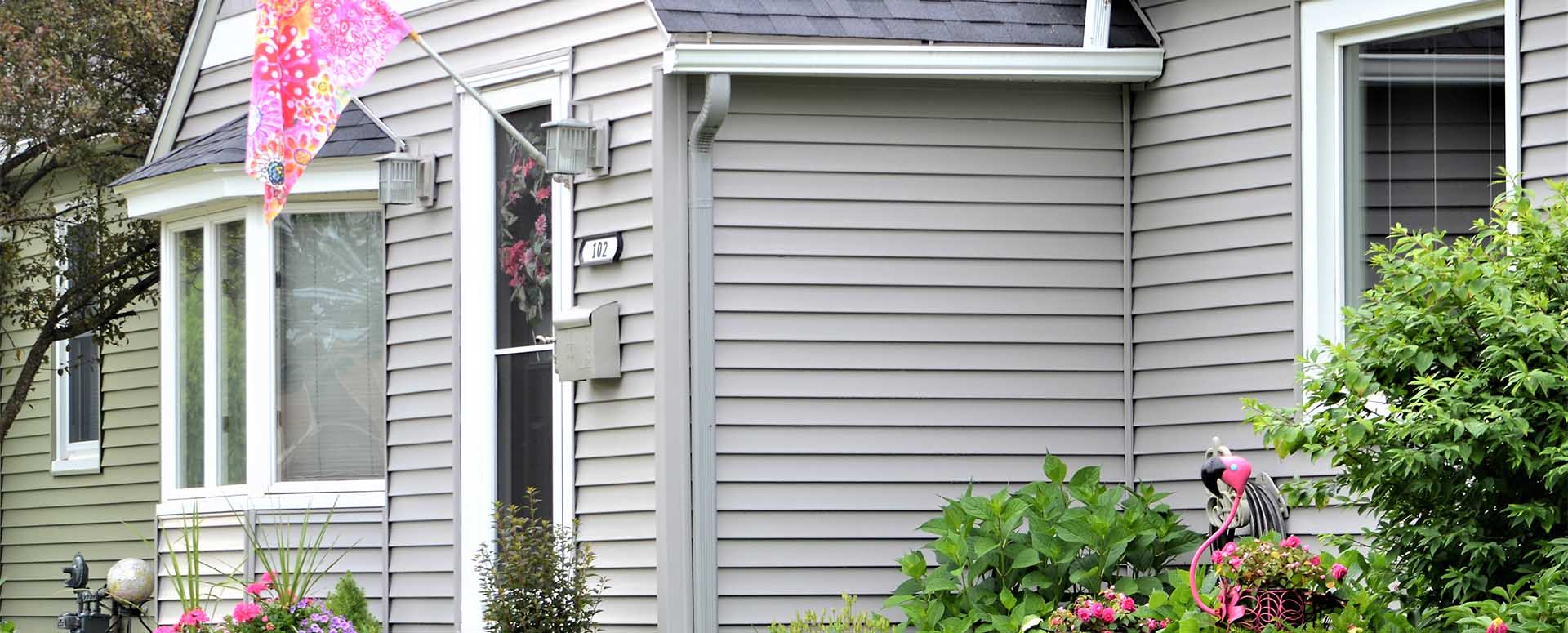
Five Things That Decide How Long Your Siding Lasts
Heat, impact, and water each fail siding in a different way, and each leaves a different fingerprint. Knowing which one you are looking at tells you whether this is a repair, a partial replacement, or a full re-side.
What a 100-Degree Summer Does to a Wall
Air temperature is not the number that matters. On a south or west elevation in July, the surface of dark siding runs far hotter than whatever your porch thermometer says, and it swings back down every night. Vinyl expands and contracts through every one of those cycles. When panels were nailed too tight, butted too close at the seams, or fastened without room to float, that movement has nowhere to go and the wall starts to wave, buckle, or pull out of the J-channel. UV does the slower damage underneath: pigment fades unevenly on the sun-facing sides, the surface chalks off on your hand, and older panels go brittle enough to crack from a thrown rock or a ladder foot.
"Absolutely awesome company. Excellent attention to detail, knowledgeable and honest."
See our profile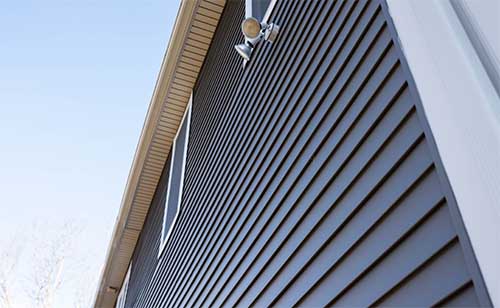
Hail Damage on Siding Hides in Plain Sight
Hail almost never hits a house evenly. It arrives at an angle, so one elevation takes nearly all of it while the other three look untouched. On siding that shows up as hairline cracks radiating out from a dimple, chipped or starred paint on fiber cement, punched holes and split locks on vinyl, and panels knocked loose along the bottom edge. From the ground it is easy to miss, because the marks are small and you need the right light across the wall to see them at all. Wind causes a separate problem: it lifts panels at corners and terminations, and then drives rain sideways into seams that shed water perfectly well in an ordinary downpour. If a storm went through your neighborhood and the roof was checked but the walls were not, the inspection was only half done, and our notes on working with insurance companies after storm damage are worth reading before you file.
"Contacted them this week about missing shingles, Brad and Mark inspected in afternoon, crew arrived in late afternoon same day. Excellent response, quality repairs, courteous, prompt."
See our profileWater Finds the Edges First
Siding is not waterproof and was never meant to be. It sheds the bulk of the rain, and the layers behind it are supposed to handle whatever gets past. What fails, almost always, is an edge: the caulk joint at a window, the seam where trim meets a corner post, the flashing where a roof plane dies into a wall, or a soffit and fascia that rotted quietly after a gutter started overflowing behind them. Once the wood behind the trim goes soft, replacing the panel accomplishes nothing. That is why we chase the water before we quote, and why siding, seamless gutters, and exterior painting so often end up on the same scope of work.
"They also did trim and fascia repairs for me and painted the house. It looks so good! Very good quality!"
See our profile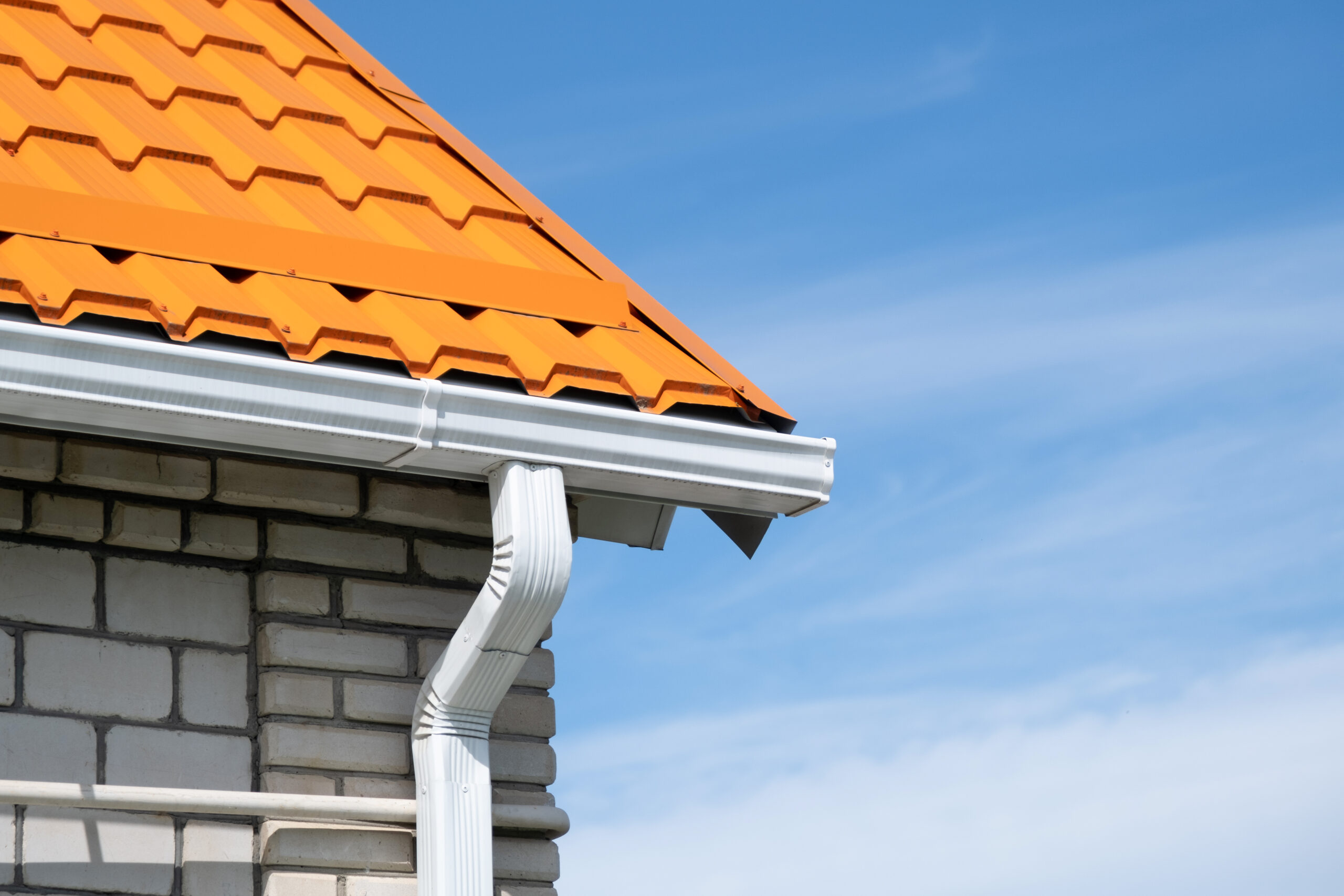
What Finished Exterior Work Looks Like
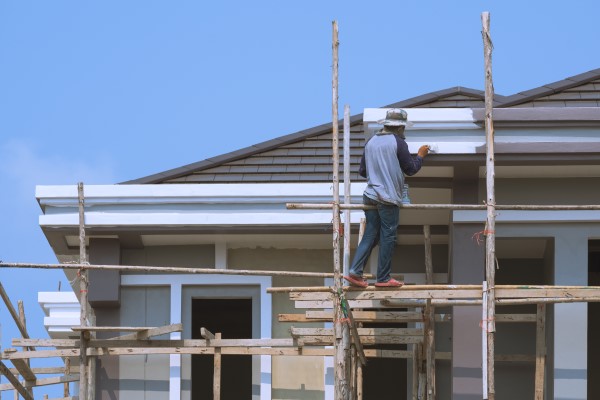
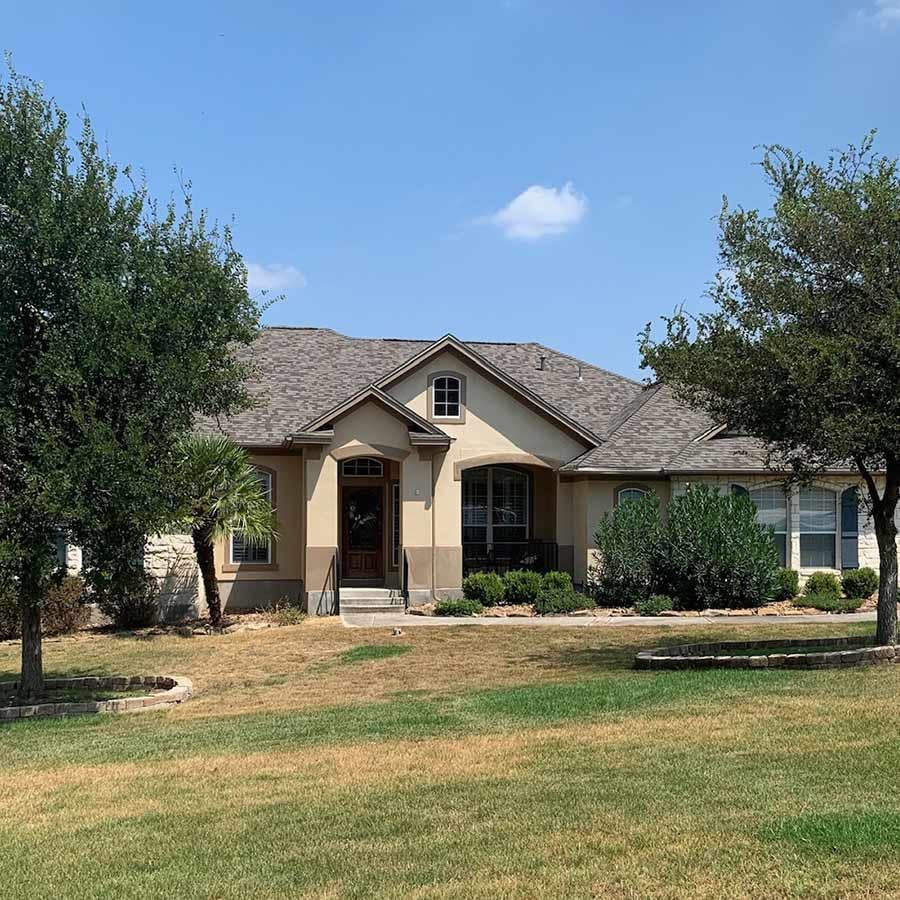
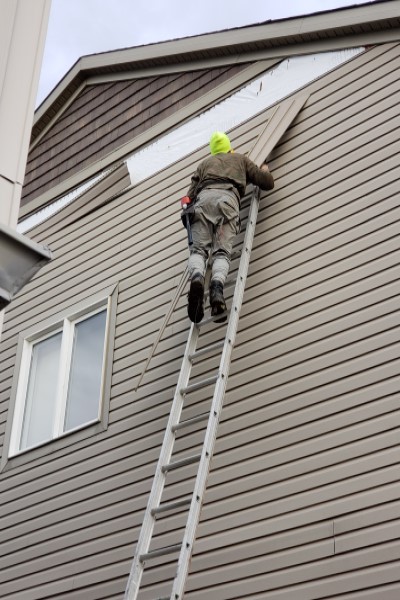
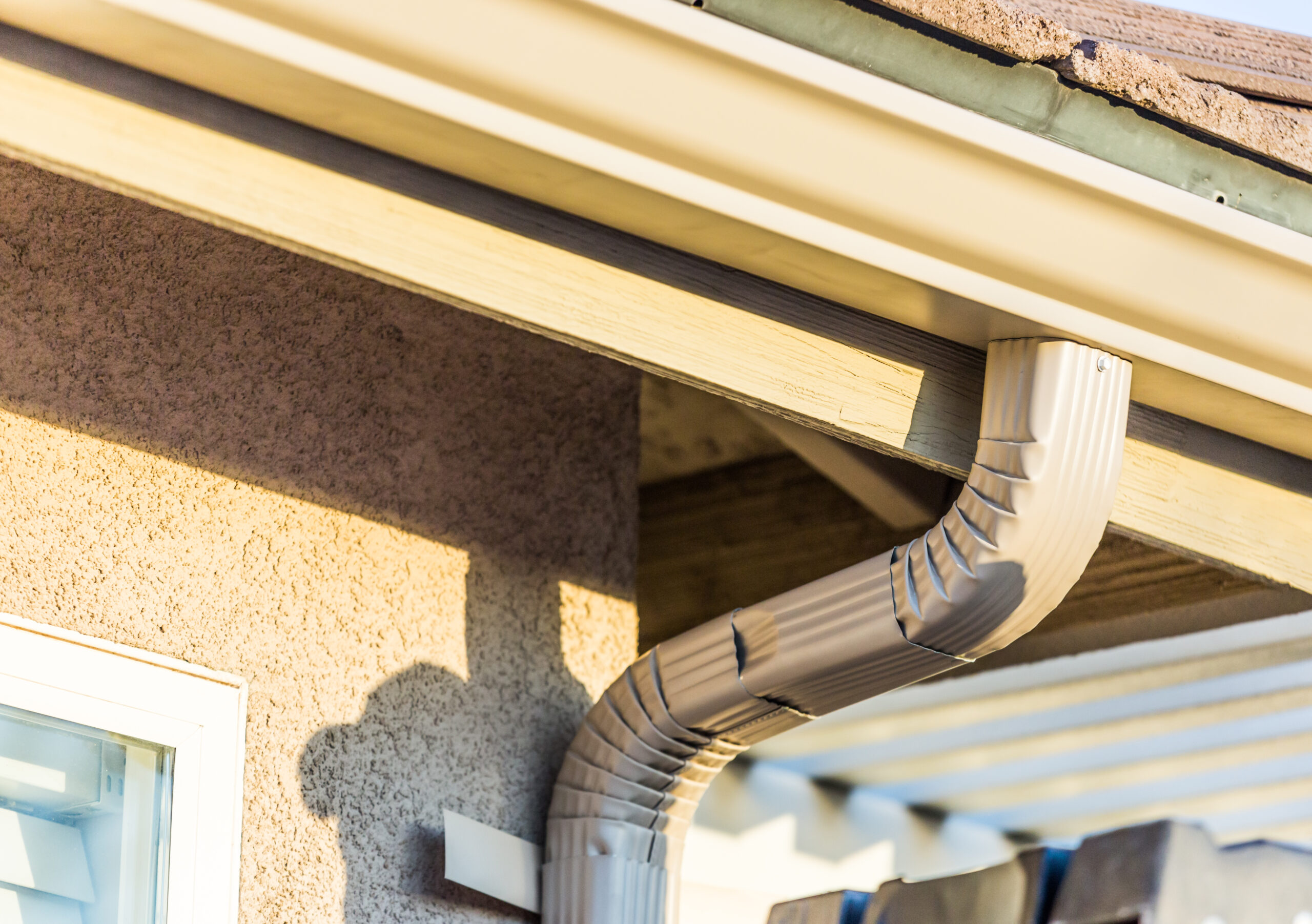
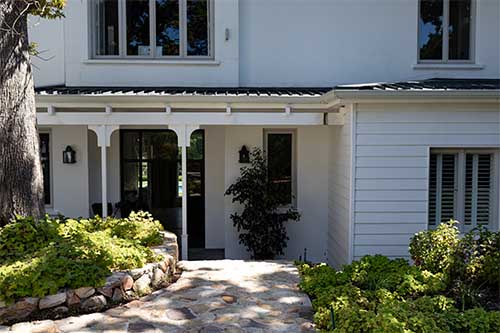
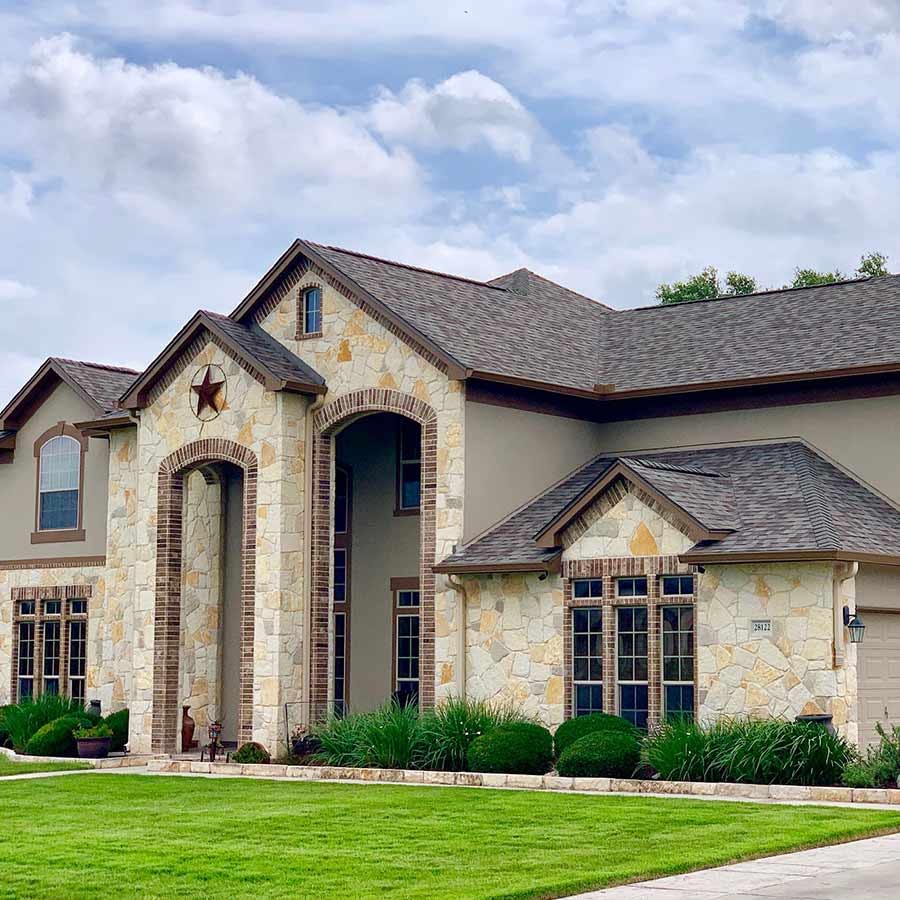
Good siding work is mostly invisible when it is done. The seams stagger instead of stacking, the trim lines are straight, the caulk joints are tooled rather than smeared, and the panel color matches at the corners because the material came from the same run. Look at the details in these photos rather than the wide shots. That is where a wall either holds up for decades or starts letting go after a few Texas summers.
"Anything that needed attention Stephen took care of immediately. The most impressive thing….the clean up. It's hard to tell I've even had any work done on the house."
See our profile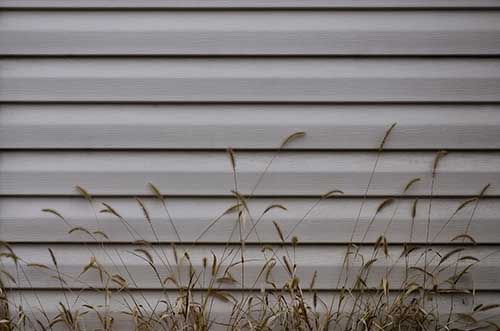
We Work These Neighborhoods Weekly
We are based in Spring Branch, which means we know which storms hit which subdivisions and roughly what year the tract homes in each of them were built. That matters more than it sounds. A 2004 build in Bulverde and a 1990s custom home on the Boerne side have different wall assemblies, different original materials, and different failure points, and the right repair is not the same in both cases. Local also means we are still here when a warranty question comes up two years later.
If you want to see the towns we cover and the work we do in each, start with our service areas page.
"Crews were respectful and cleaned up daily. Project Managers great updates. Thanks Wilson team!"
See our profileI was hesitant at first because this was a major project on my secondary home and I would not be there physically to supervise the work. That concern quickly went away because Steve and Brad came through exactly as they promised. They did an excellent job on my new metal roof and kept me informed every step of the way. They always answered my questions and sent me pictures and videos throughout the process so I could see the progress from a distance.
Siding Materials, Judged by Texas Weather
Fiber Cement: the heat-and-hail default
Fiber cement is what we recommend most often in this part of Texas, and the reasons are unglamorous. It does not soften, warp, or buckle in summer heat the way a thermoplastic can, it holds paint well through UV exposure, and it takes an impact far better than vinyl. It is also not food for termites, which matters more in the Hill Country than most homeowners expect.
The tradeoffs are real. It is heavy, cutting it properly requires dust control and the right blades, and it will eventually need repainting rather than never needing anything. Installed badly, with butt joints left unflashed or fasteners driven through the face, it fails as fast as anything else. The material is only half the purchase.
Vinyl: affordable, but respect its limits
Vinyl is the least expensive way to cover a wall and it is genuinely low maintenance, which is why so much Central Texas tract housing has it. It also has the hardest time with our climate. It expands and contracts noticeably through daily heat swings, it can crack rather than dent when hail catches it, and dark colors fade unevenly on the sun-facing elevations.
If vinyl is what you have and it is holding up, there is no reason to tear off a functioning wall. Good installation matters enormously here: panels need to float on the fastener, seams need to be staggered and lapped away from the primary sight line, and terminations need proper channel. We repair a lot of vinyl that failed for installation reasons rather than material ones.
Engineered wood: the middle ground
Engineered wood siding gives you a real wood grain and a lighter panel than fiber cement, usually pre-primed, and it takes fasteners easily. On the right house it splits the difference between vinyl pricing and fiber cement durability, and it cuts and handles faster, which shows up in labor cost.
Its weak point is moisture at cut ends and unsealed edges. Every field cut has to be sealed, the ground clearance has to be right, and the paint film has to actually be maintained rather than ignored for fifteen years. Handled properly it performs well here. Handled carelessly, the bottom course tells on you first.
Stucco: watch the cracks and the drainage plane
Stucco is everywhere in San Antonio and the surrounding towns, and it handles sun and heat well. Its problem here is ground movement. Our clay and limestone soils shrink and swell hard between drought and heavy rain, and that motion telegraphs into wall cracks, usually stepping off the corners of windows and doors.
Hairline cracking is normal and cosmetic. Cracks you can slide a card into, staining that spreads below them, or bulging and hollow-sounding areas are not, and those need the assembly behind the stucco investigated rather than just patched and painted over. Patching a symptom on a wall with a failed drainage plane buys you one season.
Stone and masonry: durable, but not the whole wall
Plenty of Hill Country homes are stone or brick across the first floor, with siding carrying the gables, dormers, and upper walls. The masonry generally outlives everything around it. The failures happen at the transitions, where siding meets stone, where mortar has cracked out, and where flashing above an opening was never installed correctly.
When we quote a mixed-material exterior we price the transitions honestly, because that is where the labor and the risk actually sit. A clean re-side on the upper walls with sloppy work at the stone line is a leak with a nice paint job on it.
Trim, soffit and fascia: the parts that fail first
Nine times out of ten, the first rot we find on a Central Texas house is not in the field of the siding at all. It is in the fascia behind a gutter that has been overflowing, in a soffit that lost its ventilation, or in the trim around a window where the caulk joint opened up three summers ago.
Because these are the parts that fail first, they are also the cheapest fix if you catch them early. A few boards, some flashing, and fresh paint is a very different invoice from opening up a wall. This is the single best argument for having someone look at your exterior before you have a visible problem, and it is why our renovation crews and roofing crews work off the same inspection.
Siding Questions We Get Every Week
It comes down to how much of the wall is affected and whether the material behind it is still sound. Damage confined to one elevation after a storm is usually a repair or a partial replacement. Widespread brittleness, fading across every side, or rot found in more than one area generally means the wall has reached the end of its service life. We will tell you which one you are looking at, and we are happy to say a repair is enough when it is.
Often, but it depends on your policy, your deductible, and how well the damage is documented. Siding claims get denied more frequently than roof claims simply because the evidence is subtler and harder to photograph from the ground. We document what we find, provide it in a format adjusters are used to reading, and we can be on site when the adjuster walks the property.
Yes, more than most people expect. Darker colors absorb more solar energy, which means higher surface temperatures, more expansion and contraction, and faster visible fading. That does not mean you have to build a white house. It means that if you want a deep color, the material and the installation details need to be chosen to handle it.
For a typical single-family home, most of the work happens inside a week, though the timeline depends on the size of the house, the material, and what we find once the old siding comes off. Rot repair adds days. We give you a schedule up front, and your project manager tells you when it changes rather than leaving you to guess.
We prefer it. The roof edge, flashing, gutters, fascia and siding all meet in the same few inches, and doing that work in one sequence produces a better result than two contractors handing off to each other. It usually costs less in mobilization too. If a roof replacement is on your horizon anyway, it is worth pricing them together.
Yes. We offer financing on roofing and renovation projects, and the details are on our financing page. If you would rather talk it through than read about it, call us and we will walk you through the options along with the estimate. You can also request a quote online and we will follow up.
Work That Goes With This
Siding Installation & Repair
Repair, partial replacement, and full re-siding in fiber cement, engineered wood, and vinyl across San Antonio and the Hill Country.
Learn MorePainting & Exteriors
Exterior painting, trim and fascia repair, and the prep work that decides whether the finish lasts three years or ten.
Learn MoreSeamless Gutters
Custom seamless gutters formed on site, sized and pitched to move Central Texas downpours away from your walls and foundation.
Learn MoreWhat You Get When You Hire Us
30 Years in Central Texas
Three decades of roofing and renovation work across the greater San Antonio and Austin areas, from a base in Spring Branch.
5.0-Star Google Rating
Hundreds of reviews from homeowners across the Hill Country. Read them yourself before you decide anything.
Warrantied Workmanship
Our work is warrantied and our material warranties come from the manufacturer, in writing, before anything starts.
Insurance Claim Support
We work directly with insurance companies on storm damage claims and document what we find in the format adjusters expect.
Financing Available
Financing options for larger exterior projects, so an urgent repair does not have to wait on a full replacement budget.
Cleaned Up Every Day
Our crews clean the site at the end of each day. It is the single thing customers mention most often in their reviews.
Areas We Serve
Find Out What Your Walls Are Doing
An exterior inspection costs you nothing and takes about an hour. Worst case, you find out your siding is fine and you stop wondering about it. Best case, you catch a rotted fascia board while it is still a board and not a wall.
Tell Us What You See
Call or send us a note describing what caught your eye, and roughly when you first noticed it.
We Inspect Up Close
We check the roof edge, drainage, trim and walls together, and photograph everything we find.
You Get a Written Scope
A clear scope and price, with repair and replacement options where both are honest answers.